How to Review a Teapot: Pour Test, Heat Retention, and Cleanup Checklist
A repeatable framework for judging any teapot — how to test the pour, measure heat retention, check handle...


The first really good cup of tea is usually a failure of language. You know it is nothing like the teabag you grew up with, but the words that arrive are vague: smooth, nice, sort of green. That gap between what your mouth notices and what you can say about it closes faster with a notebook than with any amount of reading. A tasting journal is not a record of being right. It is a place to be specific, to be wrong, and to be noticeably better at this in three months.
Before you buy a leather-bound notebook or build a spreadsheet, know what the tool is doing. A journal does four jobs at once:
That's it. You do not need a scoring system, a color-coded index, or beautiful handwriting. Consistency beats beauty.
Impressions are slippery; measurements are not. Every entry should open with a short header of plain facts so that any future you can rebuild the session.
For example: "5 g / 120 ml gaiwan, 95°C filtered, 20s, 25s, 35s." That line is worth more than three paragraphs of adjectives, because it is the thing you can change next time.
Blank pages invite blank stares. Use the same prompts each session and the writing gets easier within a week. Answer the ones that apply and skip the rest.
A finished entry might read like this:
Roasted Taiwanese oolong, 5 g / 120 ml, 95°C. Dry leaf smells like toasted rice and dried apricot. First sip is warm and slightly sweet, no bitterness. Steep two brings out stone fruit and a faint wood note. Texture is smooth, almost creamy, with a light grip at the finish. Aftertaste lingers about two minutes — honey and baked apple skin. Would rebuy, but brew five degrees cooler next time.
Nothing in that note is fancy. Every sentence is checkable.
You don't need a hundred words. You need maybe forty that you personally recognize. Borrow from food, not from wine reviews.
Two habits make vocabulary grow faster. Name the sensation before you name the tea. And keep a "found words" page at the back of the journal for terms you hear and like, then test them on real cups before using them freely.
Layout matters less than you think, but a bad one kills the habit. These three survive real life.
One card per tea. Header on the top line, notes in the middle, a verdict at the bottom. Cheap, portable, easy to shuffle into groups. Good if you drink a wide variety and want to compare across months.
Left page: facts and numbers. Right page: impressions, flavors, and a sketch of the liquor color if you like. Best for a focused session with a gaiwan and several steeps, when there is time to write between pours.
A table with columns for date, tea, steep number, and a one-line impression. Ten seconds per cup. This is the layout that works for daily drinking, the one that quietly builds a year of notes without feeling like homework.
Pick one and fill it in while the kettle is still warm. Notes written an hour later are half as honest.
A simple five-point scale for aroma, flavor, texture, and finish is plenty, plus a yes-or-no on whether you would buy it again. Resist adding more categories. Scores drift as your palate changes, so trust the written notes over the numbers when you read back. If a tea scored a 3 in January and tastes better in June, that is information about you, not an error in the tea.
Keep the pen with the tea. Keep the journal on the counter, not in a drawer. Write for two minutes, not twenty. You do not need to document every cup — one thorough entry a week and a line or two for everything else is plenty.
Once a month, read back through the last few pages and look for patterns: temperatures you keep adjusting, origins you keep returning to, a flavor word you use constantly. That is where a journal stops being a record and starts being a map. And when you find a tea you love, the notes will tell you exactly how to make it again.
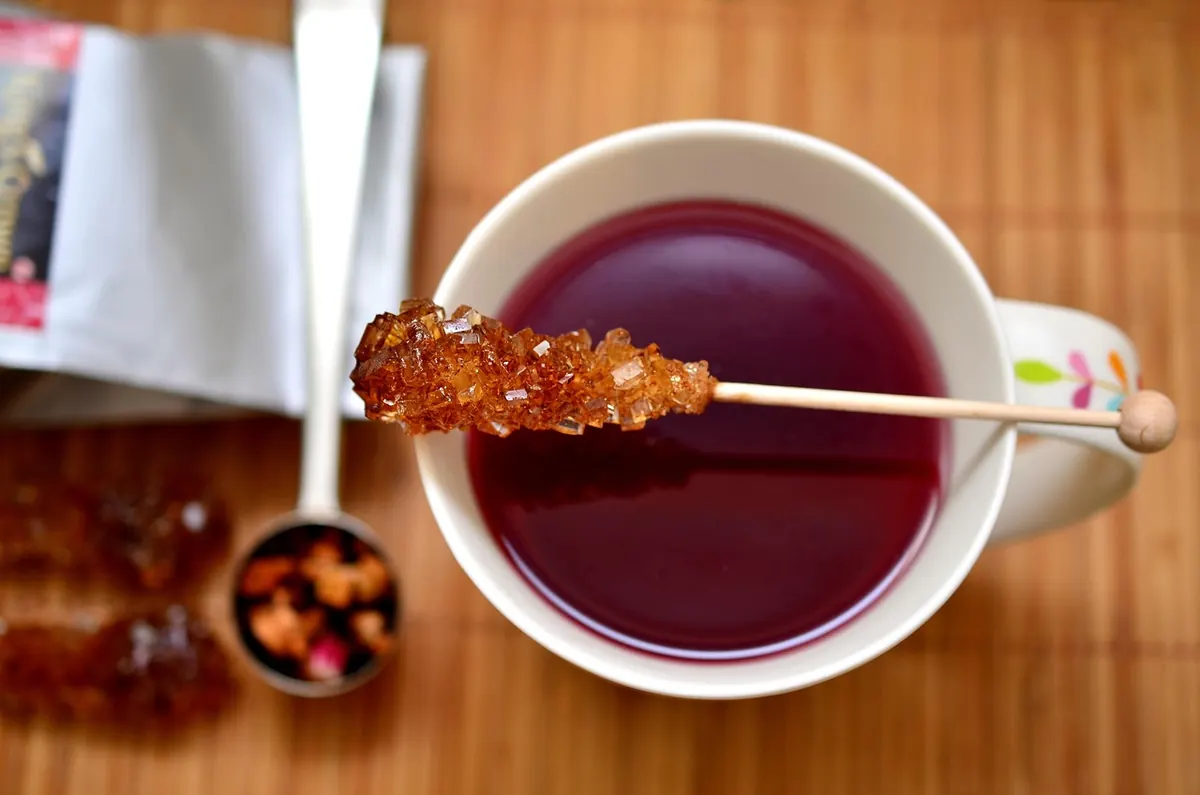
Photo: DariuszSankowski / Pixabay
A repeatable framework for judging any teapot — how to test the pour, measure heat retention, check handle...
A beginner's guide to tea accessories: the few tools that genuinely improve your brewing, the order to buy...
Loose leaf and tea bags compared on flavour, cost per cup, convenience and waste — plus a practical way to...