How to Review a Teapot: Pour Test, Heat Retention, and Cleanup Checklist
A repeatable framework for judging any teapot — how to test the pour, measure heat retention, check handle...

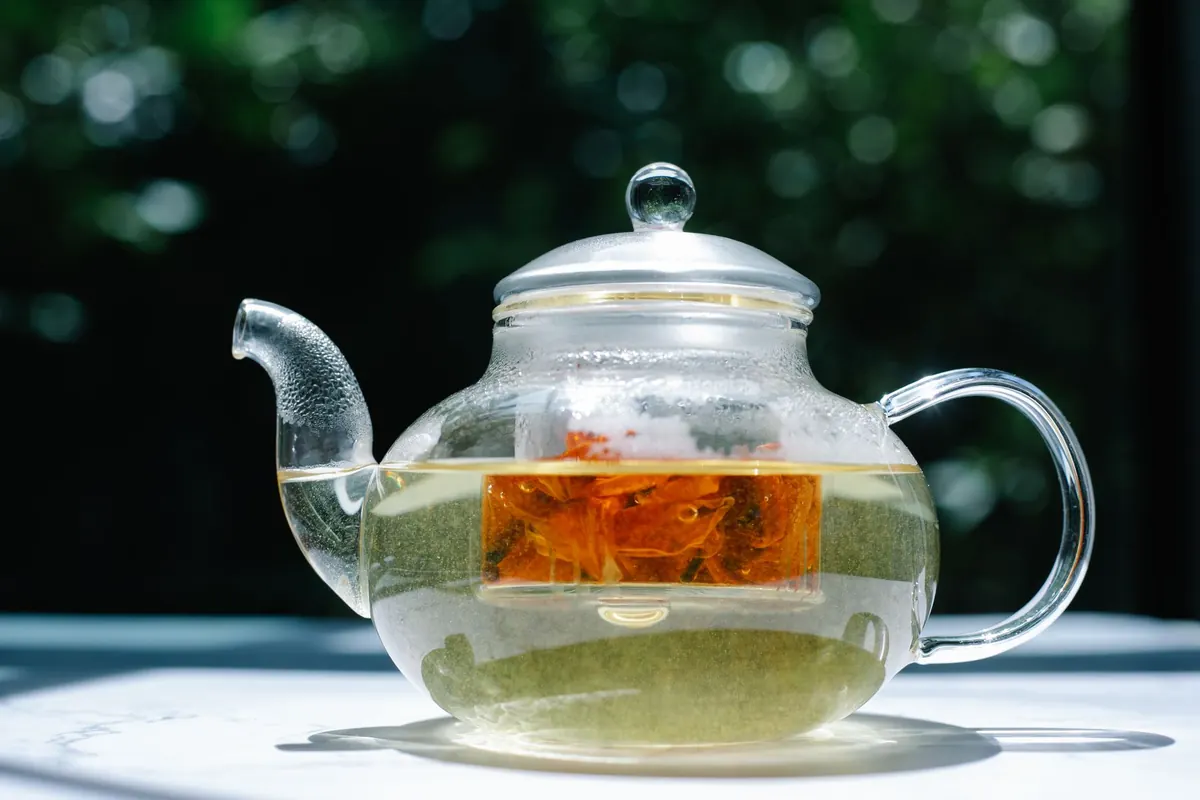
Green tea lives in a narrow band between bright and bitter, and that band is measured in degrees. Pour fully boiling water over a delicate gyokuro and the first sip comes back sharp, metallic, almost like cooked spinach left too long on the stove. Drop the temperature twenty degrees and the same leaves taste sweet, brothy, quietly savory. What follows is a working reference for six green tea styles you are likely to have at home, plus the small habits that matter more than the numbers themselves.
Green tea is barely oxidized. The leaves are steamed or pan-fired within hours of picking, a step that stops the chemistry in place and keeps the leaf green, grassy, and full of compounds that dissolve at very different speeds.
Catechins and caffeine, the two main sources of bitterness and astringency, rush out in hot water. Amino acids such as theanine, which give green tea its savoriness and its sweetness, extract more gently and are easiest to taste when the water is cooler. That is the whole trade: lower temperature, sweeter cup; higher temperature, brisker and more astringent cup, with more risk of harshness.
A ten-degree swing is not subtle. If your sencha tastes rough at 85°C (185°F), try 75°C (167°F) before you change anything else about your brewing.
Times below are for the first infusion with roughly 2–3 g of leaf per 200 ml (about 7 oz) of water, except where noted. Treat every number as a starting point, not a rule.
Genmaicha sits between sencha and hojicha: about 80°C (176°F) for one minute. As a rough family rule, Chinese greens tolerate a little more heat than Japanese steamed teas, which is why a Dragon Well can take water that would ruin a gyokuro.
Most kitchens do not have a variable-temperature kettle, and you do not need one.
Skip the microwave. It heats unevenly and gives you no reliable way to judge what you are pouring.
A heaping teaspoon of loose green tea is roughly 2–3 g. For 200 ml of water that produces a balanced, medium-strength cup; go closer to 4 g if you like it stronger, or if your tea is a year or two old and has faded. Gyokuro and matcha are the exceptions, since both are brewed deliberately concentrated.
Water quality is the quiet variable. Very hard water flattens aroma and leaves a dull, chalky finish; heavily chlorinated tap water tastes like chlorine first and tea second. Filtered water that tastes clean on its own will make a better cup than any adjustment to your steeping time.
Most green teas give two or three good infusions. For the second, raise the temperature by 5–10°C and cut the time by about a third. Sencha might go 70°C for 90 seconds, then 80°C for 45 seconds. Even gyokuro, usually brewed at 50–60°C, can take 65°C on the second round.
Numbers get you close. What finishes the job is tasting early and adjusting. Start at the low end of the range for any tea you have not brewed before, sip at the shortest time listed, and let your own palate decide whether to add fifteen seconds or pour the rest of the pot straight away. Brew one style at a time for a few days rather than switching every morning, and the differences between 75°C and 85°C will become obvious in a way no chart can fully explain.
One practical note: green tea contains caffeine, and matcha in particular delivers it in a concentrated form. If you are pregnant, sensitive to stimulants, or managing a condition affected by caffeine, check with a healthcare professional about what suits you.
Photo: Anna Pou / Pexels
A repeatable framework for judging any teapot — how to test the pour, measure heat retention, check handle...
A beginner's guide to tea accessories: the few tools that genuinely improve your brewing, the order to buy...
Loose leaf and tea bags compared on flavour, cost per cup, convenience and waste — plus a practical way to...